
К содержимому

logo_1.jpg


История России. Рюрики. 40 ФЁДОР ИВАНОВИЧ


На этой странице вы ознакомитесь с основными фактами о ФЁДОРЕ ИВАНОВИЧЕ . Текст озвучен. Даны ключевые слова для запоминания. После изучения текста вы можете проверить себя, чтобы убедиться в понимании материала.
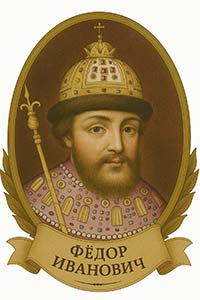
ФЁДОР ИВАНОВИЧ
№ Английский Русский
1 Fyodor Ivanovich was born in 1757, lived 41 years (1584 - 1598 14 years) - Tsar of All Rus', son of Ivan the Terrible and Anastasia Romanova. Фёдор Иванович родился в 1757 г. прожил 41 год (1584 – 1598 14 лет) - царь всея Руси, сын Ивана Грозного и Анастасии Романовой.
2 There is still no consensus among experts about Fedor’s role in Russian history. О роли Федора в истории среди экспертов до сих пор нет единого мнения.
3 Some consider him a mentally unhealthy monarch... others consider him a kind and deeply spiritual person, under whom Russia experienced a political and cultural upsurge. Одни считают его нездоровым... другие — добрым и глубоко духовным, при котором Россия пережила политический и культурный подъём.
4 Fyodor Ivanovich was the complete opposite of his father — a meek, kind and pious ruler. Фёдор был полной противоположностью отца — кроткий, добрый и благочестивый.
5 Under him, the war with Sweden ended. При нём завершилась война со Швецией.
6 The Moscow Patriarchate was established. Был учреждён Московский патриархат.
7 Voronezh, Saratov, Tyumen and others were annexed. Были присоединены Воронеж, Саратов, Тюмень и др.
8 The patriarchate was established — a system of church government with a patriarch at its head. Было создано патриаршество — церковная система с патриархом во главе.
9 The king almost did not participate in government. Царь почти не участвовал в управлении.
10 His brother-in-law Boris Godunov was in charge of all matters. Всем занимался его шурин Борис Годунов.
11 Fedor tried to rule peacefully and fairly. Фёдор старался править мирно и справедливо.
12 The Tsar Cannon was cast under him. При нём была отлита Царь-пушка.
13 It weighed more than 39 tons. Она весила больше 39 тонн.
14 Died without leaving any offspring, ending the Rurik dynasty. Умер, не оставив потомства, династия Рюриковичей прекратилась.
15 The death of Fyodor Ioannovich occurred in 1598 in Moscow from natural causes. Смерть Фёдора наступила в 1598 году в Москве по естественным причинам.
16 He was often sick and in poor health. Он часто болел и был слаб здоровьем.


КЛЮЧЕВЫЕ СЛОВА: 


ПРОВЕРЬ СЕБЯ: 


1. When and where was Fyodor born?
2. What do experts still argue about?
3. What do some consider him and what do others think?
4. How was Fyodor different from his father?
5. What war ended during his reign?
6. What major religious institution was founded?
7. What cities were annexed?
8. What is a patriarchate?
9. Did Fyodor actively participate in government?
10. Who handled state affairs?
11. How did Fyodor try to rule?
12. What famous weapon was cast during his rule?
13. How much did the Tsar Cannon weigh?
14. What happened to the Rurik dynasty after his death?
15. When and how did he die?
16. What was his health like?
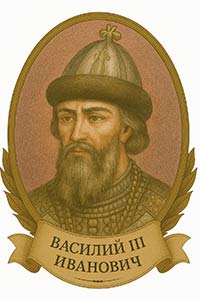


История России. Рюрики. 37 ВАСИЛИЙ III ИВАНОВИЧ


На этой странице вы ознакомитесь с основными фактами о ВАСИЛИЕ III ИВАНОВИЧЕ . Текст озвучен. Даны ключевые слова для запоминания. После изучения текста вы можете проверить себя, чтобы убедиться в понимании материала.

ВАСИЛИЙ III ИВАНОВИЧ
№ Английский Русский
1 Vasily III Ivanovich was born in 1479, lived 54 years (1505–1533, 28 years) – Grand Duke of Moscow and Sovereign of All Rus'. Василий III Иванович родился в 1479 году, прожил 54 года (1505–1533, 28 лет) — великий князь Московский, государь всея Руси.
2 The youngest son of Ivan the Great and the Greek princess Sophia Paleologus. Младший сын Ивана Великого и греческой царевны Софьи Палеолог.
3 Completed the process of unifying the Russian lands around Moscow, forming the state of Muscovite Rus'. Завершил процесс объединения русских земель вокруг Москвы, сформировав государство Московская Русь.
4 Continued to strengthen centralized power, subjugated the Pskov Republic, and reclaimed Smolensk and other territories from the Grand Duchy of Lithuania. Продолжил укрепление единоличной власти, подчинил Псковскую республику, отвоевал Смоленск и другие земли у Великого княжества Литовского.
5 Annexed Ryazan to the Moscow principality. Присоединил Рязань к Московскому княжеству.
6 Divorced his first wife, Solomiya Saburova, due to her infertility, and married Princess Elena Glinskaya, a beautiful 16-year-old, while he was 45. Развелся с первой женой Соломией Сабуровой из-за её бесплодия и женился на княжне Елене Глинской — красивой 16-летней девушке, будучи сам в возрасте 45 лет.
7 Generously allocated land to churches and monasteries, making church lands a third of all Russian territory. Щедро наделял землёй церкви и монастыри, доведя церковные владения до трети всей территории Руси.
8 His reign saw a boom in stone construction — many churches, monasteries, and fortresses were erected across various cities. В его правление начался строительный бум — в разных городах были возведены множество храмов, монастырей и крепостей.
9 During his rule, the concept of “Moscow as the Third Rome” gained popularity. При нём получила широкое распространение концепция «Москва — Третий Рим».
10 This idea was proposed by Elder Philotheus, a monk from the Eleazar Monastery in Pskov. Эту идею выдвинул старец Филофей — монах Елеазарова монастыря в Пскове.
11 The essence of the concept is that Moscow became the successor to Rome, the eternal city, and Russia is the stronghold of Orthodoxy. Суть концепции в том, что Москва становится преемницей Рима — вечного города, а Россия — оплотом православия.
12 Philotheus declared: “Two Romes have fallen, the third stands, and a fourth shall not exist.” Филофей сказал: «Два Рима пали, третий стоит, а четвёртому не быть».
13 This strengthened Russians’ belief in their special mission as a moral and spiritual guide, capable of leading others toward peace, justice, and prosperity. Это укрепило веру русских в особую миссию Руси как духовного и нравственного лидера, способного вести народы к миру, справедливости и процветанию.
14 Vasily died in 1533 from blood poisoning, which occurred due to an inflammation in the groin area — a consequence of long years spent in the saddle. Василий умер в 1533 году от заражения крови, которое возникло из-за воспаления в паху — последствия многолетней жизни в седле.


КЛЮЧЕВЫЕ СЛОВА: 


ПРОВЕРЬ СЕБЯ: 


1. When was Vasily III born?
2. Who were his parents?
3. What did he complete?
4. What republic did he subjugate?
5. What city did he reclaim from Lithuania?
6. What principality did he annex?
7. Why did he divorce his first wife?
8. Who was his second wife?
9. How much land belonged to the church?
10. What boom happened under his reign?
11. What concept spread during his rule?
12. Who proposed the Third Rome idea?
13. What phrase did Philotheus declare?
14. What caused Vasily’s death?


Loading video...
 
0:00 / 0:00