
К содержимому

logo_1.jpg


История России. Рюрики. 35 ВАСИЛИЙ ТЁМНЫЙ


На этой странице вы ознакомитесь с основными фактами о ВАСИЛИЕ ТЁМНОМ. Текст озвучен. Даны ключевые слова для запоминания. После изучения текста вы можете проверить себя, чтобы убедиться в понимании материала.
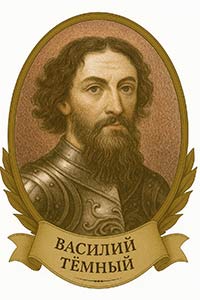
ВАСИЛИЙ ТЁМНЫЙ
№ Английский Русский
1 Vasily II Vasilyevich, nicknamed “Dark,” was born in 1415, lived 47 years (1425–1462, 37 years) – Grand Duke of Moscow, son of Vasily I and Princess Sofia Vitovtovna. Василий II Васильевич, по прозвищу «Тёмный», родился в 1415 году, прожил 47 лет (1425–1462, 37 лет) — великий князь Московский, сын Василия I и княжны Софьи Витовтовны.
2 During the internecine struggle, on the orders of Prince Dmitry Shemyaka, he was blinded, which gave him the nickname “the Dark.” Во время междоусобной борьбы по приказу князя Дмитрия Шемяки он был ослеплён, за что и получил прозвище «Тёмный».
3 In marriage, Vasily had ten children: two daughters and eight sons, including the future ruler of all Rus', Ivan III. В браке у Василия родилось десять детей: две дочери и восемь сыновей, среди которых — будущий Государь всея Руси Иван III.
4 Despite being blinded, he continued to govern the state with the support of the boyars. Несмотря на то, что он был ослеплён, Василий продолжал править страной при поддержке бояр.
5 He fought for power against his uncle, Prince Yuri of Zvenigorod, and his sons Vasily Kosoy and Dmitry Shemyaka. Он вёл борьбу за власть с дядей — князем Юрием Звенигородским и его сыновьями Василием Косым и Дмитрием Шемякой.
6 During his reign, the Kasimov Khanate was formed in the Ryazan lands. При нём на территории Рязанского княжества образовалось Касимовское ханство.
7 The Kasimov Khanate was a feudal state of the Tatars. Касимовское ханство представляло собой феодальное государство татар.
8 The Russians referred to all nomadic Asian peoples as Tatars. Русские называли всех кочевых азиатов татарами.
9 In reality, “Tatars” was originally the name of a small Mongol tribe from which Genghis Khan originated. На самом деле татарами изначально называли небольшое монгольское племя, из которого происходил Чингисхан.
10 He managed to subjugate all fiefs in the Moscow principality and forced Novgorod to recognize his authority. Он сумел подчинить все уделы Московского княжества и заставил Новгород признать свою власть.
11 By his decision, the Russian Orthodox Church became independent from Constantinople. По решению Василия Тёмного Русская православная церковь стала независимой от Константинополя.
12 After several military victories over the Mongols, he stopped paying them tribute. После ряда военных побед над монголами он прекратил выплату дани.
13 During his rule, the former capital Vladimir was incorporated into the Moscow principality. Во время правления Василия Тёмного бывшая столица Владимир вошла в состав Московского княжества.
14 Muscovite Rus’ officially replaced the era of Vladimir Rus’. Московская Русь окончательно сменила Владимирскую Русь.
15 Vasily the Dark died in March 1462 in Moscow. Василий Тёмный скончался в марте 1462 года в Москве.
16 He suffered from an advanced form of tuberculosis, which was treated by burning his hands and feet with hot embers. Он страдал от запущенной формы туберкулёза, которую лечили прижиганием рук и ног раскалёнными углями.
17 Tinder is any material that can ignite from a single spark. Трут — это любой материал, способный воспламениться от одной искры.
18 Numerous burns led to the development of gangrene. Из-за многочисленных ожогов у него развилась гангрена.


КЛЮЧЕВЫЕ СЛОВА: 


ПРОВЕРЬ СЕБЯ: 


1. When was Vasily II born?
2. Why was he called “Dark”?
3. How many children did he have?
4. Did he continue to rule after being blinded?
5. Who were his main rivals?
6. What khanate was formed?
7. What people did the Russians call Tatars?
8. Who were the original Tatars?
9. What did he achieve in Moscow principality?
10. What happened to the Russian Church?
11. What did he stop paying?
12. Which city joined Moscow principality?
13. What era replaced Vladimir Rus’?
14. When did he die?
15. What disease did he suffer from?
16. What is tinder?
17. What was the result of burns?


История России. Рюрики. 36 ИВАН ВЕЛИКИЙ


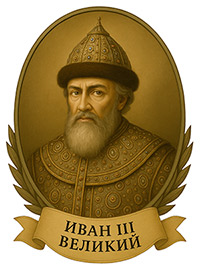
На этой странице вы ознакомитесь с основными фактами о ИВАНЕ III ВАСИЛЬЕВИЧЕ (ВЕЛИКОМ). Текст озвучен. Даны ключевые слова для запоминания. После изучения текста вы можете проверить себя, чтобы убедиться в понимании материала.

ИВАН ВЕЛИКИЙ
№ Английский Русский
1 Ivan III Vasilyevich, nicknamed “The Great,” was born in 1440 and lived 65 years (1462–1505, 43 years) — Grand Duke of Moscow and the first sovereign of all Rus’, son of Vasily the Dark and great-grandson of Dmitry Donskoy. Иван III Васильевич, по прозвищу «Великий», родился в 1440 году, прожил 65 лет (1462–1505, 43 года) — великий князь Московский и первый государь всея Руси, сын Василия Тёмного и правнук Дмитрия Донского.
2 The first Grand Duke to be called a Tsar. Первый великий князь, которого начали называть царём.
3 The Tsar differs from a prince in that he is the supreme ruler and is subordinate to no one. Царь отличается от князя тем, что является верховным правителем и никому не подчиняется.
4 Ivan III is known as the “gatherer of Russian lands.” He refused to pay tribute to the Mongols and freed the country from the Mongol-Tatar yoke during the “Standoff on the Ugra” in 1480. Ивана III называют «собирателем Русской земли». Он отказался платить дань монголам и освободил страну от монголо-татарского ига во время «Стояния на Угре» в 1480 году.
5 Horde Khan Akhmat allied with the Polish king Casimir IV and led his army toward Moscow. Хан Ахмат из Орды заключил союз с польским королём Казимиром IV и направил своё войско на Москву.
6 The enemy forces reached the Ugra River but did not dare to cross it and confront the Russian army. Вражеские войска дошли до реки Угры, но не осмелились переправиться и сразиться с русской армией.
7 This marked the end of the Mongol yoke. Так завершилось монголо-татарское иго.
8 Shortly before his reign, the Byzantine Empire fell in 1453. Незадолго до его правления, в 1453 году, пала Византийская империя.
9 The Turks captured Constantinople. Турки захватили Константинополь.
10 The Moscow Orthodox state became the successor of Byzantium. Московское православное государство стало преемником Византии.
11 Under him, the Principality of Moscow turned into a centralized state. При нём Московское княжество превратилось в централизованное государство.
12 Ivan III finally subjugated Novgorod, Pskov, Tver, Yaroslavl and Ryazan. Иван III окончательно подчинил Новгород, Псков, Тверь, Ярославль и Рязань.
13 He married Sophia Palaiologos — niece of the last Byzantine emperor Constantine XI. Он женился на Софье Палеолог — племяннице последнего византийского императора Константина XI.
14 The double-headed eagle of the Palaiologos complemented the emblem of Moscow — St. George slaying the dragon — and became the Russian coat of arms. Двуглавый орёл Палеологов дополнил герб Московского княжества — изображение Георгия Победоносца, поражающего змея — и стал гербом России.
15 Sophia contributed to the introduction of European culture to Rus'. Софья способствовала приобщению Руси к европейской культуре.
16 Now we would say “in the good sense of the word.” Сейчас хочется сказать — «в хорошем смысле этого слова».
17 Under him, the legal code “Sudebnik” was adopted, chronicle writing flourished, and the Assumption Cathedral of the Kremlin was rebuilt. При Иване III был принят Судебник, летописание расцвело, был перестроен Успенский собор Кремля.
18 Ivan III united nearly all Russian principalities under his rule. Иван III объединил под своей властью почти все русские княжества.
19 In his time, a cannon foundry was established in Moscow and guns began to be produced. При нём в Москве построили пушечный двор и начали лить пушки.
20 A merchant from Tver, Afanasy Nikitin, made a journey to India. Купец из Твери Афанасий Никитин совершил путешествие в Индию.
21 He described his journey in the book “Journey Beyond Three Seas.” Он описал своё путешествие в книге «Хождение за три моря».
22 A monument to him stands in Feodosia, near the church he regularly attended for worship. Памятник Афанасию Никитину установлен в Феодосии у церкви, в которую он регулярно ходил на богослужения.
23 Consolidating power, Ivan III ruled harshly, regardless of the boyars' rights. Сконцентрировав власть, Иван III правил жестко, не считаясь с правами бояр.
24 He died in 1505 in Moscow due to the consequences of a stroke. Он умер в 1505 году в Москве от последствий инсульта.


КЛЮЧЕВЫЕ СЛОВА: 


ПРОВЕРЬ СЕБЯ: 


1. When was Ivan III born?
2. What was his nickname?
3. Who was the first Grand Duke called Tsar?
4. What is the difference between a tsar and a prince?
5. What title did Ivan III earn for unifying lands?
6. What event ended Mongol rule?
7. Who was the Horde khan that marched on Moscow?
8. What did enemy forces fail to cross?
9. What empire fell in 1453?
10. Who captured Constantinople?
11. Who became Byzantium’s successor?
12. What did Moscow become under Ivan III?
13. What cities did he subjugate?
14. Who was Ivan III’s wife?
15. What symbol did she bring to Russia?
16. What culture did Sophia introduce?
17. What legal code did Ivan III adopt?
18. What cathedral was rebuilt?
19. What did Ivan III unify?
20. What was built for cannon production?
21. Who traveled to India?
22. What book did he write?
23. Where is his monument located?
24. How did Ivan III die?


Loading video...
 
0:00 / 0:00