

[Shack Forms] Init failed
Тест №10 по ЕГЭ-2024. Английский язык. ВЕРБИЦКАЯ (Ответ)
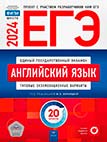
Прочитайте приведённые ниже тексты. Преобразуйте, если необходимо, слова, напечатанные заглавными буквами в конце строк, обозначенных номерами 19-24, так, чтобы они грамматически соответствовали содержанию текстов. Заполните пропуски полученными словами. Каждый пропуск соответствует отдельному заданию из группы 19-24.
Everyone wants a shiny smile
|
19 |
The perfect smile has created a multi-billion-dollar industry, but not all is shiny in this business. Dentists say that illegal whitening is putting people at risk of health problems, including burnt gums, lips and lost teeth. |
TOOTH |
|
20 |
Statistics show a 26% increase in complaints last year from people with problems from whitening. Many of them used services of unqualified specialists. |
LATE |
Read by Neuralnet
A cold nose
|
21 |
Now we know why a dog’s nose is cold. Scientists have tried / have been trying to solve this mystery for many years. The scientists believe dogs’ noses are cold because dogs sense the temperature of things without touching them. |
TRY |
|
22 |
They use their noses to detect temperature, when prey is nearby. Earlier it was believed that dogs’ noses are cold to control their body temperature. Researchers did experiments on dogs, which had to detect the temperature of different objects. |
BELIEVE |
|
23 |
Brain activity in the dogs showed that they knew which objects were warmer than others. So dogs adjust their behaviour according to the thermal radiation coming from warm bodies. |
KNOW |
|
24 |
A researcher said this would change in the future scientists’ ideas on how animals hunt. Many animals may use heat-sensing abilities to hunt. |
CHANGE |
Read by Neuralnet
Тест №19 по ЕГЭ-2024. Английский язык. ВЕРБИЦКАЯ (Ответ)
Прочитайте приведённые ниже тексты. Преобразуйте, если необходимо, слова, напечатанные заглавными буквами в конце строк, обозначенных номерами 19-24, так, чтобы они грамматически соответствовали содержанию текстов. Заполните пропуски полученными словами. Каждый пропуск соответствует отдельному заданию из группы 19-24.
A lecture
|
19 |
A famous scientist was on his way to a lecture when his chauffeur offered an idea. “Hey, boss, I have heard your speech so many times already I bet I could deliver it and give you the night off.” |
HEAR |
|
20 |
“Sounds great,” the scientist said. When they got to the auditorium, the chauffeur walked to the lectern and delivered the speech. |
GET |
|
21 |
Afterward he asked if there were any questions. “Yes,” said one professor and asked a highly technical question. The chauffeur panicked for a moment but quickly recovered. “That’s an easy one,” he replied. “In fact, it’s so easy, I’m going to let my chauffeur answer it!”. |
BE |
Read by Neuralnet
Memory technique
|
22 |
It was a nice summer day. Two elderly couples were enjoying a friendly conversation in the garden when one of the men asked the other, “Fred, how was the memory clinic you went to a month ago?” |
MAN |
|
23 |
“Outstanding,” Fred replied. “We were taught visualization, association. We learned all the psychological techniques latest it has made a big difference for me.” “That’s great! What was the name of that clinic?”. |
LATE |
|
24 |
Fred went blank. He thought and thought but could not remember. Then a smile broke across his face and he asked, “What do you call that flower with thorns?” “You mean a rose?” “Yes, that’s it!” Then he turned to his wife and asked, “Rose, what was the name of that clinic?”. |
NOT CAN |
Read by Neuralnet
Обучаю разговорному английскому. Помогу Вам подготовиться к TOEFL или ЕГЭ.
За полгода вывожу ученика начального уровня на уровень уверенного общения, свободного выражения своих мыслей. Специализируюсь на экспресс-методах обучения.

- ИгорьRead more
Анонс статей
- Лучшие методы запоминания английских слов: 7 эффективных советов
- БАНК ВЫВОДОВ В ЭССЕ (АНГЛИЙСКИЙ ЯЗЫК ЕГЭ)
- НОСИТЕЛЬ АНГЛИЙСКОГО ЯЗЫКА ИЛИ РУССКОЯЗЫЧНЫЙ ПРЕПОДАВАТЕЛЬ
- Английский язык для детей и взрослых в карточках
- Запоминаем только нужные слова
- ЗАКЛАДКИ
- Английский сленг: 120 самых употребительных выражений
- С какого возраста начинать изучать английский язык: 2 мнения
- IELTS Структура Теста (Описание всех 4-х частей теста)
- ПРАВИЛА ИГРЫ, О КОТОРЫХ ДЕТЯМ НИКТО НЕ ОБЪЯСНИЛ
- Интенсивность - главный фактор, определяющий успех в английском
- 120 most used British and American slang words
 Как правильно изучать английский язык по карточкам (статьи)