

/…/
—
This page provides key information about Nepal, its history, traditions, and customs. You will learn about the country's capital and population, religion and culture, national cuisine and holidays, as well as geographical features and neighboring states. This information will help you get to know Nepal better and understand its place in the South Asian region.
1. Population and capital.
Nepal is a country in South Asia with a population of over 30 million people. The capital of the country is Kathmandu. The largest city in Nepal by population is Kathmandu.
2. Religion.
The majority of Nepal's population practices Hinduism. Nepal is the only country in the world where Hinduism was once the official religion. Buddhism, Islam, and other religions are also widely practiced in the country.
3. Kathmandu.
Kathmandu is the capital of Nepal and one of the main political, cultural, and administrative centers of the country. It houses government institutions, the parliament, and the official residence of the President of Nepal.
4. Swayambhunath Stupa.
The Swayambhunath Stupa is one of the most famous landmarks of Nepal. This ancient Buddhist temple complex is located in the Kathmandu Valley and is one of the oldest stupas in the world. Swayambhunath is a UNESCO World Heritage Site.
5. Gandaki.
The Gandaki is one of the largest and most famous rivers of Nepal. It holds great significance for the culture and economy of the country and is one of the main rivers originating in the Himalayas. Millions of people live in the Gandaki river basin.
6. Independence.
Nepal was never colonized and has always maintained its independence. Modern Nepal became a federal democratic republic in 2008 when the monarchy was abolished. One of the key figures during the transition period was Girija Prasad Koirala, who played an important role in democratic reforms.
7. Himalayas.
In the north of Nepal lie the Himalayas — the highest mountain system in the world. Here is located the world's highest peak, Mount Everest (Sagarmatha). The Himalayas form a natural border between Nepal and China and attract thousands of climbers from all over the world.
8. Currency.
The national currency of Nepal is the Nepalese rupee.
9. Geographical position.
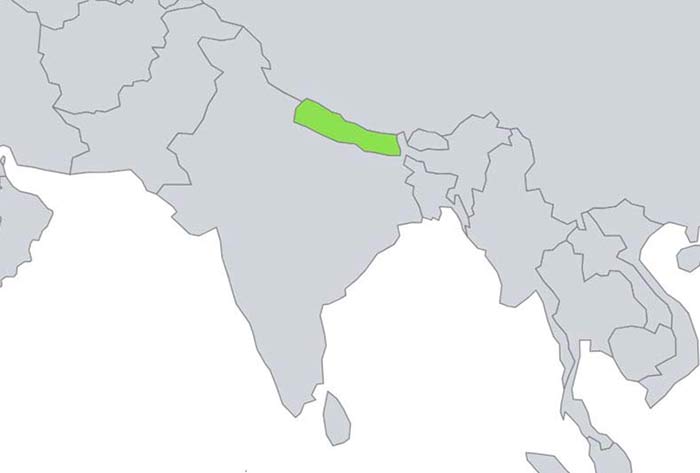
Nepal is located in South Asia. To the west, south, and east it borders India, and to the north it borders China (the Tibet Autonomous Region). Nepal is landlocked and completely surrounded by land borders.
LISTEN TO THE TEXT
Мы разработаем для вас или ваших детей любые обучающие материалы: карточки, тренажёры, тесты, опросники и интерактивные упражнения по английскому языку, математике, русскому языку и другим предметам. Все материалы создаются с учётом ваших целей и уровня подготовки, что позволяет сделать обучение максимально эффективным и значительно ускорить усвоение материала.
За дополнительной информацией обращайтесь по email: vp_d@mail.ru
За полгода вывожу ученика начального уровня на уровень уверенного общения, свободного выражения своих мыслей. Специализируюсь на экспресс-методах обучения.

 Как правильно изучать английский язык по карточкам (статьи)